
Tradicional Portuguese Food You Have to Try

When people ask me what they should do first in Portugal, I always say the same thing: sit down, take a breath, and eat.
Traditional Portuguese food is not fancy or fussy. It is olive oil slowly soaking into bread, grilled fish that tastes like the ocean, soups your grandmother would approve of, and desserts that make you say “wow” after the first bite. As a local guide, I see it every week. Visitors fall in love with the country one plate at a time.
If you are planning a trip and already dreaming of traditional Portuguese food, this guide is for you. I will walk you through the essential dishes, how to order them, what to drink with them, and a few local tricks so you do not accidentally miss the good stuff.
Grab a coffee, maybe a pastel de nata, and let’s dive into the world of traditional Portuguese food together.
Why traditional Portuguese food is such a big deal
In Portugal, food is never “just food”. It is family, memories, weekends, football matches, and long lunches that somehow stretch into sunset.
Traditional Portuguese food grew from simple ingredients that were always around: bread, potatoes, cabbage, onions, garlic, olive oil, pork, chicken, and whatever the sea decided to give that day. Nothing is wasted. Old bread becomes açorda. Cheaper cuts of meat become slow cooked stews. Salted cod becomes a national obsession.
What makes traditional Portuguese food special is the balance. It is comforting but not heavy every day. It uses spice with a light hand, but never feels boring. You may taste a lot of garlic, coriander, salt, bay leaf, and paprika, always wrapped in good olive oil.
And the best part? You do not need white tablecloth restaurants to enjoy it. Some of the best traditional Portuguese food you have to try is waiting for you in small neighborhood spots that locals call tascas.
How to start exploring traditional Portuguese food
On your first days in Portugal, think simple. You do not need to chase the most famous places in town. Start with the rhythm locals already follow.
In the morning, step into a pastelaria instead of your hotel breakfast room. Order a bica (short espresso) or galão (milky coffee) and choose one pastry from the counter. This alone already puts you inside the world of traditional Portuguese food.
For lunch, look for restaurants that are busy with locals and have a hand written board outside showing the prato do dia (dish of the day). The daily special is usually where the most traditional Portuguese food hides, at the best price.
If you are staying in Lisbon and want concrete suggestions, the article about the best local restaurants in Lisbon is a great list to save. It points you to real tascas where traditional Portuguese food is still cooked for locals first and visitors second.
Once you get comfortable with the basics, you can start hunting down specific traditional Portuguese food you have to try. Let’s go dish by dish.
Savory traditional Portuguese food you have to try
There are hundreds of recipes, but if you taste a mix of these classics, you will understand the heart of traditional Portuguese food.
Soups
- Caldo verde is the superstar of Portuguese soup. It is a silky mix of potatoes, finely sliced green cabbage (couve galega), onion, garlic and a drizzle of olive oil, usually with one or two slices of chouriço floating on top. Simple, cheap and full of flavor.
- Sopa de legumes is the everyday vegetable soup that fuels the country at lunchtime. Each cook has a different version, but it is usually a blended mix of seasonal vegetables, light enough to start any meal but still comforting.
- Sopa de peixe brings the sea into your bowl. It is a fish soup made with chunks of white fish, sometimes a few shells, tomatoes and herbs. If you want traditional Portuguese food that feels both light and rich, this is a great choice.
- Açorda alentejana is a rustic bread soup from the Alentejo region. Think torn bread soaked in hot garlicky broth with coriander and often a poached egg on top. It looks humble, but it tastes like countryside comfort.
- Sopa da pedra is a hearty soup from Almeirim, made with beans, potatoes, sausages and other meats. Legend says it started with a poor man and a stone, but today it is pure rich, rustic flavor.
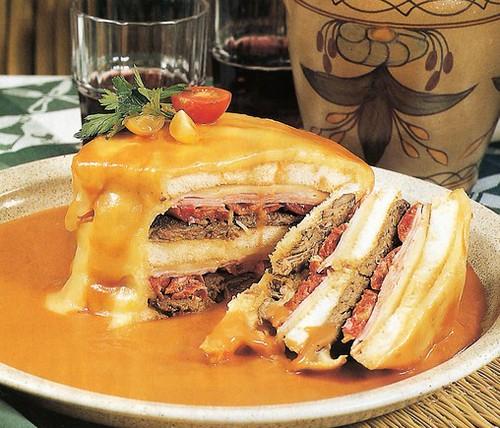
Sandwiches
- Bifana is the classic pork sandwich. Thin slices of pork are cooked in a garlicky, slightly spicy sauce and tucked into a soft bread roll. Order one at a busy counter and you are officially living the traditional Portuguese food life.
- Prego no pão is the beef cousin of the bifana. A simple steak, sometimes with garlic and mustard, inside bread. Many locals order a prego at the end of a seafood meal as a salty little finale.
- Francesinha is the famous over the top sandwich from Porto. Layers of bread, cured meats and steak are covered in melted cheese, then drowned in a hot beer and tomato sauce, usually with fries on the side. It is not light, but it is unforgettable.
- Sandes de pernil is a juicy shredded pork shoulder sandwich, often served with mustard in small traditional places. It is cheap, filling and a very local example of traditional Portuguese food you can eat on the go.
- Sandes de leitão is a roll filled with pieces of roast suckling pig, usually from the Bairrada region. The meat is tender, the skin is crisp, and the bread soaks up all the flavor.
- Pão com chouriço is warm bread baked with pieces of cured sausage inside. You will often find it in fairs, markets and roadside bakeries. It is simple but dangerously addictive.
- Sandes de queijo da serra or just a slice of creamy mountain cheese in fresh bread is another very Portuguese way to turn great ingredients into a perfect snack.
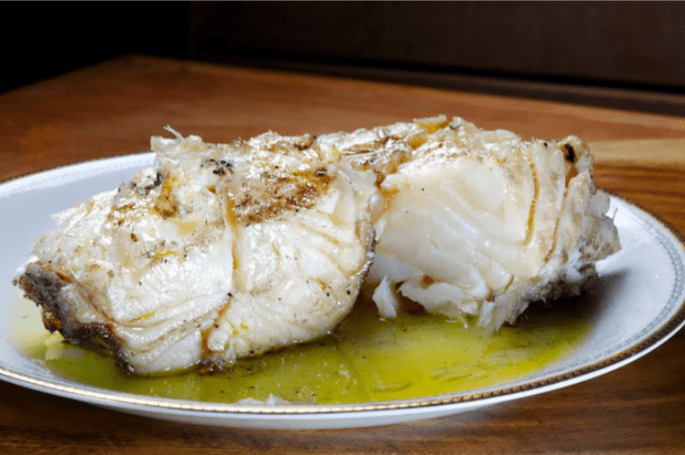
Seafood
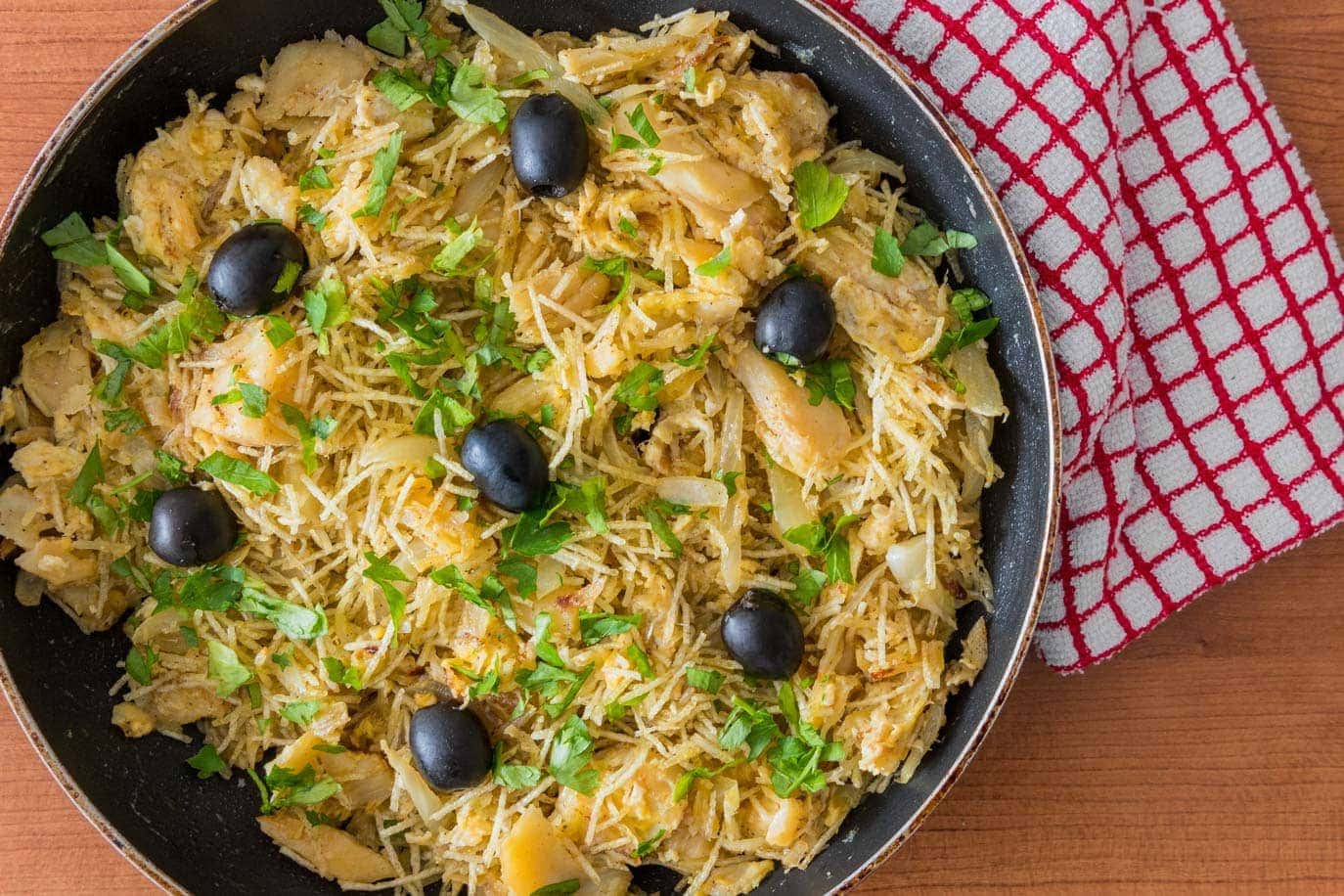
- Bacalhau à Brás is one of the most loved salted cod dishes. Shredded bacalhau is cooked with onions and thin fried potatoes, then bound together with scrambled eggs and finished with black olives and parsley.
- Bacalhau com natas is a baked casserole of cod, potatoes, onions and cream that comes to your table hot and bubbling. It is the cozy, oven baked side of traditional Portuguese food.
- Bacalhau à Gomes de Sá is a family style dish where cod, potatoes, onions, olives and boiled eggs share the same tray. It is the kind of thing Portuguese families eat on weekends and holidays.
- Bacalhau na brasa is grilled salted cod, usually served with batatas a murro and lots of olive oil and garlic. The outside gets a light char, the inside stays juicy and tender.
- Polvo à lagareiro is roasted octopus with potatoes, garlic and generous amounts of olive oil. When it is done right, the octopus is so soft that you barely need a knife.
- Peixe grelhado means grilled fish. In many restaurants you pick your fish from the ice counter near the door. Sea bream, sea bass, mackerel and others go straight to the charcoal grill, then to your plate with salad and potatoes.
- Sardinhas assadas and amêijoas à Bulhão Pato are two summer legends. Grilled sardines land smoky on top of bread so the juices soak in, while clams come in a pan with olive oil, garlic and coriander. Together they are pure traditional Portuguese food by the sea.
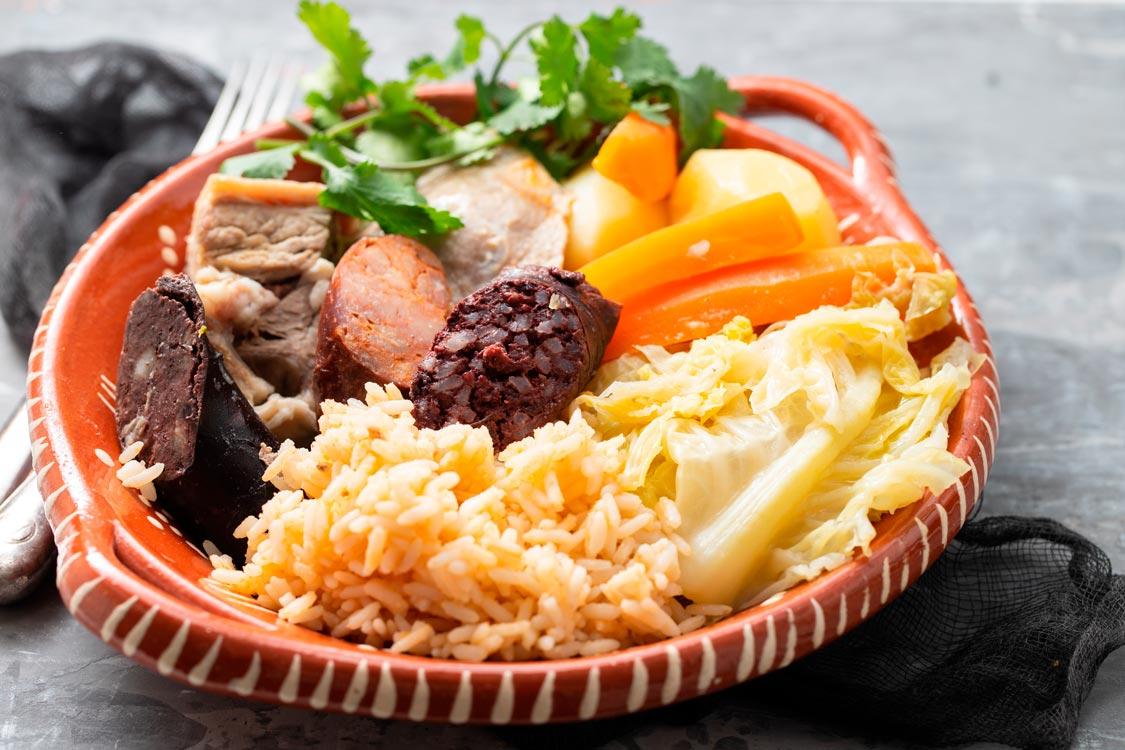
Meat
- Cozido à portuguesa is a slow cooked stew of several meats and vegetables all simmered in the same pot. Pork, beef, sausages like chouriço and morcela, potatoes, cabbage and carrots share flavor until everything tastes like home.
- Frango no churrasco is charcoal grilled chicken, usually marinated with garlic, lemon and herbs. Add molho piri piri, the spicy chili sauce, if you like heat. It is one of the easiest traditional Portuguese foods to love, perfect with fries and salad.
- Carne de porco à alentejana is a clever mix of marinated pork cubes and clams, cooked with garlic, coriander and potatoes. It sounds unusual, but once you try it you understand why it is a classic.
- Arroz de pato is baked duck rice, where shredded duck, rice and a rich broth cook together and are often finished in the oven until the top layer crisps slightly. It is comfort food that still feels special.
- Leitão da Bairrada is roasted suckling pig from the Bairrada region, famous for its crispy skin and juicy meat. You will often see it on menus along the road between Lisbon and Porto.
- Secretos de porco preto are thin, marbled cuts of Iberian black pork grilled quickly so they stay juicy. Usually served with potatoes and salad, they are a favorite in many traditional restaurants.
- Rojões à moda do Minho are northern style fried pork chunks, often served with potatoes, arroz de sarrabulho and pickled vegetables. It is a rich dish that shows how far traditional Portuguese food can go with pork.
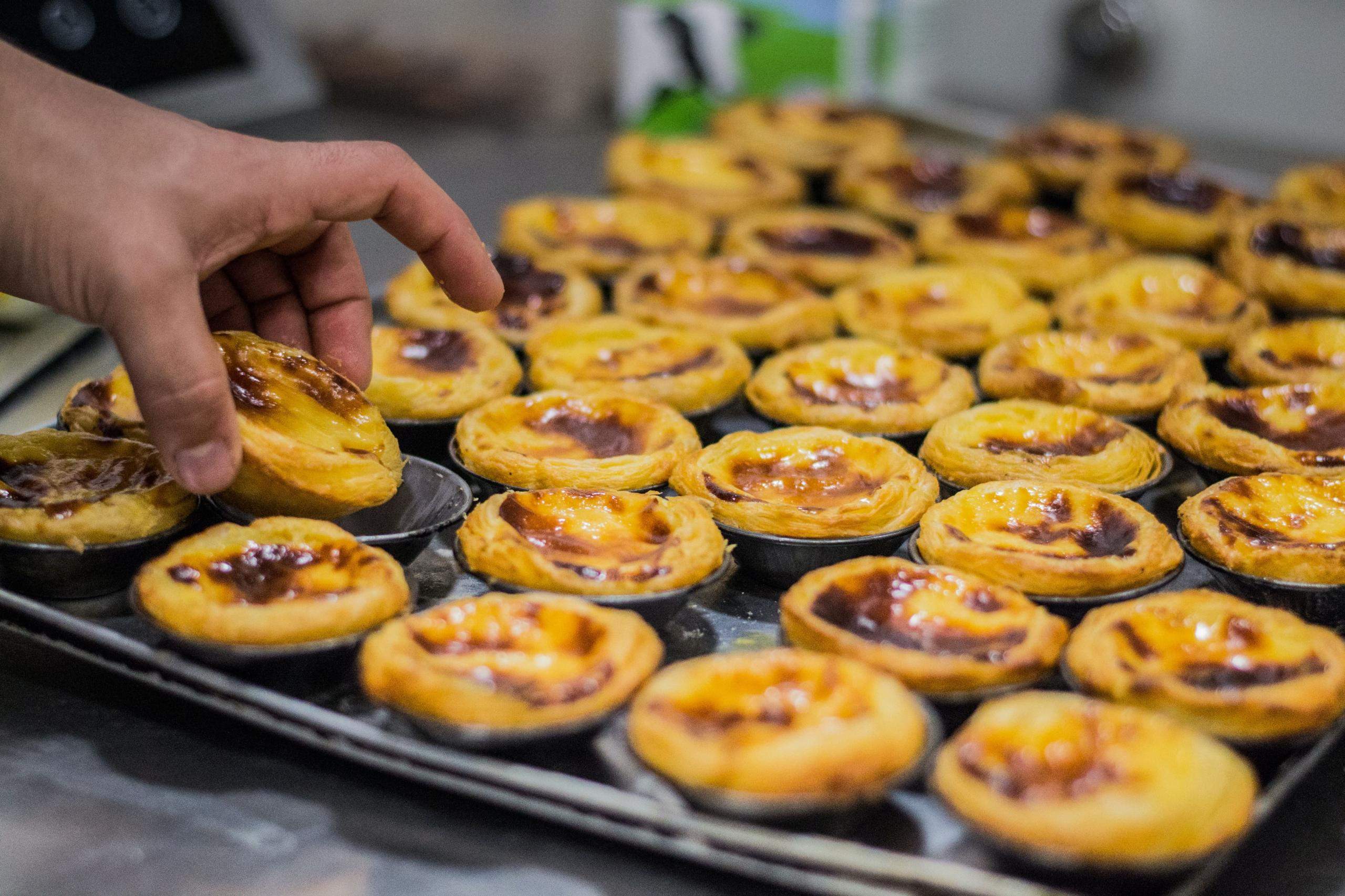
Desserts / Drinks
- Pastel de nata is the custard tart you have probably already seen in photos. Flaky pastry, creamy center, a little cinnamon on top. Locals eat it for breakfast, as a snack or after lunch. The best way to enjoy it is hot from the oven with a coffee.
- Arroz doce is traditional rice pudding, made with rice, milk, sugar, lemon peel and cinnamon. It often appears in big trays at family restaurants and tastes like Sunday lunch at your Portuguese grandmother’s house.
- Leite creme is similar to crème brûlée, a smooth egg custard with a caramelized sugar top, and you will often see mousse de chocolate right next to it on the dessert list.
- Sintra sweets like queijadas and travesseiros turn any palace day into a dessert mission. Queijadas are small cheese and cinnamon tarts, while travesseiros are flaky pillows filled with almond and egg cream. You can taste them while exploring the palaces on a Sintra tour from Lisbon, or on a dedicated Quinta da Regaleira tour that leaves time for a proper coffee break. On the main site you will also find different Sintra Tours for every type of traveler.
- Bolo de bolacha is a beloved no bake cake made with coffee soaked biscuits and cream, usually sliced thick and shared at the end of family meals.
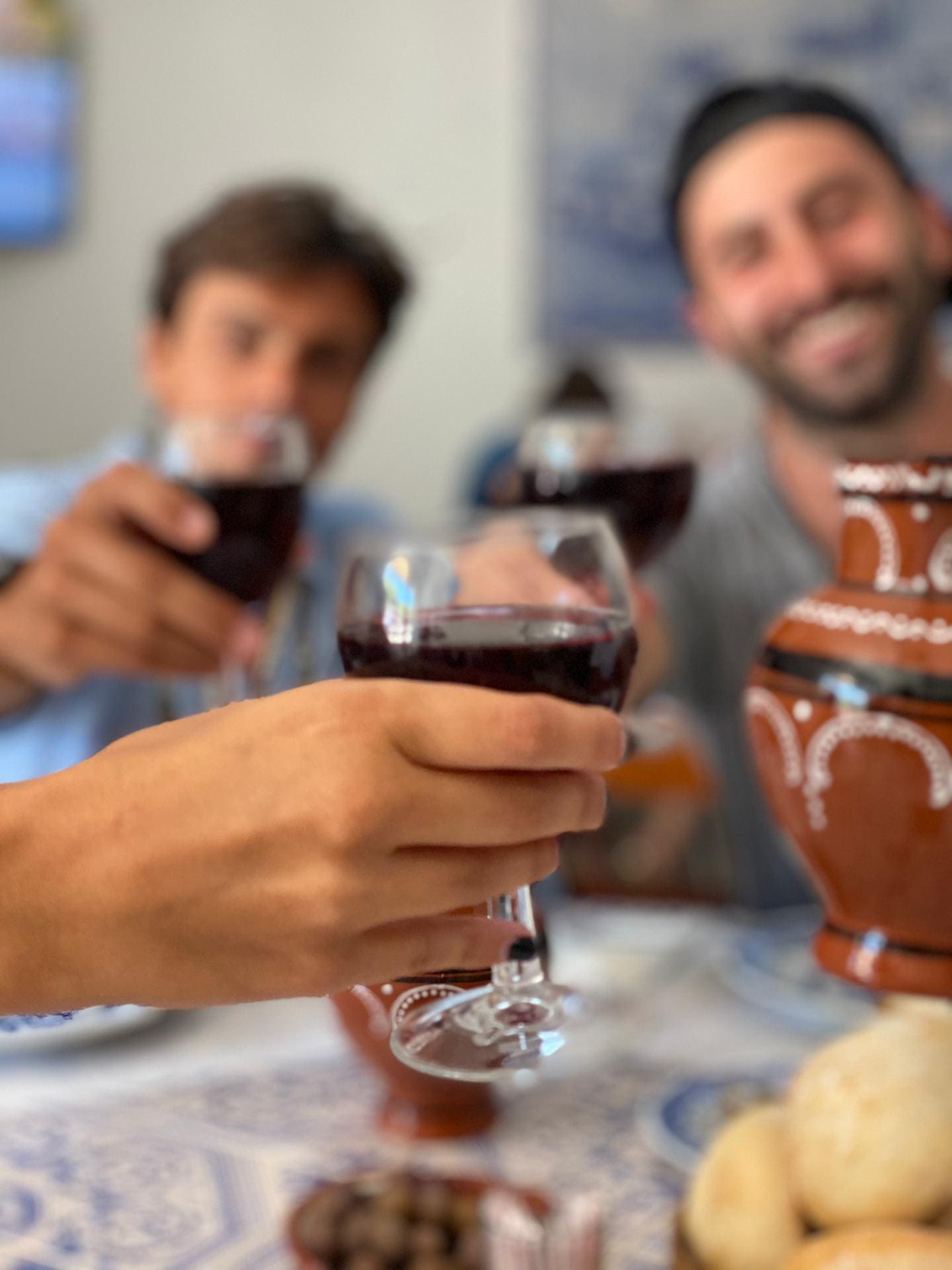
What to drink with traditional Portuguese food
Now that we have covered the main dishes, let’s talk about drinks.
Portugal has a long wine tradition, so you will find local wine everywhere traditional Portuguese food is served.
- Vinho verde is a light, slightly fizzy wine from the north, perfect with grilled fish, salads and hot days.
- Red wines from the Douro, Alentejo and Dão regions are great with stews, grilled meats and strong cheeses.
- Port wine is a fortified wine from the Douro Valley, usually enjoyed as an after dinner drink with dessert or cheese.
Beyond wine, you will see small glasses of ginjinha (cherry liqueur), licor Beirão, and of course a lot of beer (imperial on tap, cerveja in bottles).
If you want to match your plates of traditional Portuguese food with the best seasons, the guide to the best time to visit Portugal gives you an idea of when chestnuts, sardines, wine harvests and other seasonal treats happen.
A very local experience is to join a coastal day that mixes views, markets and tastings. On an Arrábida tour from Lisbon you can combine wild beaches, fishing villages, a local market and often a winery stop. It is a relaxed way to see where traditional Portuguese food comes from, not just where it is served.
How to order traditional Portuguese food like a local
Ordering can feel intimidating the first time, but a few words and habits make everything easier.
When you sit down at a restaurant, staff will often bring bread, olives and maybe cheese or ham to the table. This is called couvert. In most places, you only pay for what you actually eat. If you do not want something, just smile and say “não, obrigado” and they will take it back.
Some useful words for navigating traditional Portuguese food:
- entrada – starter
- prato principal – main dish
- prato do dia – dish of the day
- dose – a full portion
- meia dose – half portion (great for sharing)
- sobremesa – dessert
If you are not sure what to choose, you can ask “Qual é o prato mais típico?” (What is the most typical dish?). Let the staff guide you to traditional Portuguese food you have to try in that particular place.
If you like walking through neighborhoods and learning how locals eat, our Lisbon tours by locals shows how you can mix city walks with food stops, viewpoints and stories.
Traditional Portuguese food for kids and picky eaters
Traveling with kids or picky eaters does not mean giving up on traditional Portuguese food.
Most restaurants will happily serve simple grilled chicken, plain rice, fries, or a smaller portion of a main dish. You can often share one big plate between two people, especially with stews and rice dishes.
Many traditional Portuguese foods are already kid friendly, like frango no churrasco, arroz de pato (duck rice), soups, and of course pastries.
If you are planning a family trip, the guide on what to do in Portugal with kids is full of ideas for activities, but it also shows how food can be a fun part of the adventure.
For families or groups, it can make sense to invest in private tours to Sintra or other areas. Splitting a private van and local guide between several people keeps things flexible and can actually help you control food stops and costs.
Local tips to find the best traditional Portuguese food
Here are my favorite quick tips for hunting traditional Portuguese food you have to try, without falling into tourist traps.
- Follow the locals. If a place is full of Portuguese voices at lunch, you are probably safe.
- Check the menu language. If there is only English and pictures, walk a little further.
- Look for a short menu. A few dishes usually means fresh, focused cooking.
- Always read the prato do dia board. The most traditional Portuguese food is often right there.
- Try lunch menus or daily options. They are cheaper and usually very generous.
- Eat standing at the counter in cafés to save a bit and feel more local.
- Ask for a meia dose if you want to try more things without being too full.
- Keep an eye on seasonal dishes, like sardinhas assadas in summer or roasted castanhas (chestnuts) in autumn.
- Outside the big cities, pay attention to small town bakeries and restaurants. They often hide incredible traditional Portuguese food at very friendly prices.
And remember: if you want one or two days where everything is planned for you, combining views, villages and traditional Portuguese food, you can always join tours by a local. A local guide will know which small restaurants, markets and cafés to pick, so you only have to show up hungry.
If you end up falling in love with the combination of food, landscapes and stories, take a look at our Portugal tours. These routes connect traditional Portuguese food with Sintra, Arrábida, wine regions and hidden villages.
Final thoughts
At the end of the day, traditional Portuguese food is not a strict checklist. It is an invitation.
Taste the classics like bacalhau, caldo verde, grilled fish and pastel de nata, but do not stress if you cannot try everything in one week. Follow your curiosity. Ask for recommendations. Order the daily special. Say yes when someone tells you “you really have to try this”.
Mix simple tascas with a few scenic lunches by the sea. Combine self guided food adventures with one or two days with a guide, so you see the markets, fishing towns and countryside behind the plates.
Most of all, slow down. Sit at the table, pour another glass of wine, dip your bread in olive oil and talk. That is the real secret ingredient in traditional Portuguese food.
And who knows, by the end of your trip, you might be the one telling friends about all the traditional Portuguese food they have to try when they finally come to visit.

Tired of the same old tourist traps? Want to explore Portugal beyond the postcards, without skipping the ones that matter? You’re in the right place. At Keep it Local Tours, we show you the classics but we also go further. We show you Portugal through the eyes of those who live here. We do things differently. Our mission is to show you Portugal like a local, not like a guidebook.
We run tours in Lisbon, tours in Sintra, Arrábida tours, Private and Tailor Made Tours in Portugal and lesser-known areas. Every route is designed by locals and includes stops that make sense, with a relaxed pace and space to enjoy what’s around you. You might visit a palace in Sintra, have lunch in a village restaurant in Serra de Aire, swim at a quiet beach in Arrábida, taste wine at a family-run farm or try a warm pastel de nata straight from the oven. Our guides aren’t performers and don’t follow a script. They talk with you, share stories, answer questions and keep the experience down to earth.
If you’re looking for a calm way to discover Portugal, with time to take it in and without rushing from one place to another, join one of our tours. We’ll welcome you the same way we welcome friends.
Book your tour with Keep it Local Tours and come explore Portugal with us.
More Articles
 https://keepitlocaltours.com/wp-content/uploads/2023/04/Lisbon-tour-scaled.jpg
1702
2560
duarte
https://keepitlocaltours.com/wp-content/uploads/2023/04/Logo-Keep-It-Local-300x176.png
duarte2026-02-02 16:00:362026-02-02 16:09:40Lisbon on a Budget: Tips from a Local Guide
https://keepitlocaltours.com/wp-content/uploads/2023/04/Lisbon-tour-scaled.jpg
1702
2560
duarte
https://keepitlocaltours.com/wp-content/uploads/2023/04/Logo-Keep-It-Local-300x176.png
duarte2026-02-02 16:00:362026-02-02 16:09:40Lisbon on a Budget: Tips from a Local Guide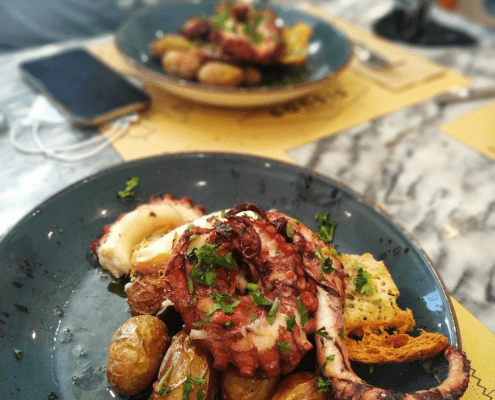 https://keepitlocaltours.com/wp-content/uploads/2025/09/polvo-portuguese-food-tour.png
1200
900
duarte
https://keepitlocaltours.com/wp-content/uploads/2023/04/Logo-Keep-It-Local-300x176.png
duarte2026-01-30 14:43:502026-01-30 14:43:50Tradicional Portuguese Food You Have to Try
https://keepitlocaltours.com/wp-content/uploads/2025/09/polvo-portuguese-food-tour.png
1200
900
duarte
https://keepitlocaltours.com/wp-content/uploads/2023/04/Logo-Keep-It-Local-300x176.png
duarte2026-01-30 14:43:502026-01-30 14:43:50Tradicional Portuguese Food You Have to Try https://keepitlocaltours.com/wp-content/uploads/2026/01/solo-traveler-portugal.jpg
960
640
duarte
https://keepitlocaltours.com/wp-content/uploads/2023/04/Logo-Keep-It-Local-300x176.png
duarte2026-01-27 18:05:122026-01-27 18:05:12Solo Travel in Portugal: The Ultimate Guide
https://keepitlocaltours.com/wp-content/uploads/2026/01/solo-traveler-portugal.jpg
960
640
duarte
https://keepitlocaltours.com/wp-content/uploads/2023/04/Logo-Keep-It-Local-300x176.png
duarte2026-01-27 18:05:122026-01-27 18:05:12Solo Travel in Portugal: The Ultimate Guide


