
The Best Time to Visit Portugal

If you ask a local guide about the best time to visit Portugal, the honest answer is this: it depends on your vibe. Portugal is a year round playground with gentle winters, golden summers and festivals that light up the streets. In this guide I’ll help you pick the best time to visit Portugal for beaches, city breaks, food, hiking, wine and budget.
You’ll also get simple tips only a local would share, with a few palavras in Portuguese to make you smile.
Let’s make planning easy and fun so your trip already feels like a holiday. Ready to find your perfect month.
Portugal seasons explained by a local
Portugal has a Mediterranean soul with Atlantic mood swings. Think bright summers, soft winters and some rain from late fall to early spring. The north is greener and wetter, the south is drier and sunnier. Along the coast you’ll often feel a cool breeze called nortada in summer, while inland runs hotter.
With that in mind, here’s how to choose the best time to visit Portugal for your style of trip.
Spring vibes, March to early June
Spring is my favorite shout for the best time to visit Portugal. Days get longer, orange trees perfume the streets and hills in Sintra and the Douro turn electric green. Mornings call for a light jacket, lunchtime is T shirt weather and sunsets ask for a cardigan. Ocean water is still on the cool side, but coastal hikes feel perfect. In June the cities throw big street parties. Lisbon celebrates Santo António and Porto celebrates São João. If you like music, food and friendly crowds in the evening, spring might be your sweet spot.
If Sintra is on your list, spring brings misty forests, glowing moss and quieter palaces. Save these insider guides for planning: Best things to do in Sintra and Sintra tour viewpoints.
Summer energy, June to August
Summer is long, bright and social. It’s the best time to go to Portugal if your dream is swimming, sunset picnics and late dinners. The ocean is warmest from late July into September. Beaches get busy in August when many locals are on holiday. Want a calm vibe. Pick small towns, go early or late in the day and look for coves tucked behind dunes. In cities, plan sightseeing in the morning, siesta after lunch, then chase sunset from a miradouro with a cold imperial.
If you’re curious about Lisbon’s views, bookmark this guide to Lisbon viewpoints that pair perfectly with a summer evening.
Fall glow, September to early November
Fall feels like a local secret. The sea stays warm, the light turns golden and vineyards buzz with harvest. It’s a dream season for road trips, wine tastings and easy walking weather. Restaurants roll out chestnut dishes, roasted castanhas perfume the streets with a sweet smoky smell and small towns host food fairs. Pack a light rain jacket for October showers and keep your camera ready. Sunsets are magic.
To mix city, coast and countryside without rushing, check our ideas for best day trips from Lisbon.
Winter calm, late November to February
Winter is gentle in most of Portugal. You can wear a sweater and a smile. In Lisbon and the Algarve, many days are bright and comfortable. Rain comes in waves which is great for museum mornings and slow lunches. Winter is also a win for value, with lower hotel and flight prices and quieter sights. Christmas lights sparkle in December and Carnival brings color in February. Inland regions like Serra da Estrela can get cold and sometimes snowy which is part of the charm.
If you like pairing culture with nature on a clear winter day, Sintra delivers. Here is a handy list of Sintra places to visit that mix palaces, gardens and wild coast.

The best time to visit Portugal by interest
Everyone asks for one perfect month. A smarter way is to choose based on what you want to do most.
Beach days
The best time to visit Portugal for beach time is July through October. In the Algarve and the west coast north of Lisbon you get many sunny days. September is special. The sea is warm, kids are back in school and sunsets linger. Bring reef friendly sunscreen. Respect the Atlantic. Waves can be strong on the west coast. If you prefer tide pools and calm water, look for sheltered coves or the Arrábida coastline.
City breaks
For city lovers, the best time to visit Portugal is March to June and September to November. You will walk more and sweat less. Cafés spill onto the calçada portuguesa, rooftops open and fado drifts through ruas at night. Plan two or three full days for Lisbon or Porto, then add a day trip to Sintra or the coast. If you want a relaxed route through Lisbon’s old neighborhoods with stories, snacks and views, join our Lisbon day tour.
Food and wine
Foodies often pick fall as the best time to visit Portugal. Harvest season brings vindimas in the Douro and magusto parties with roasted chestnuts and new wine. Spring is a close second for fresh fish, strawberries and outdoor markets. Winter is for cozy stews, caldo verde and hot chouriço assado. Whenever you come, eat where locals eat. Look for a small tasca or mercearia with a daily menu and ask for what is fresh.
Hiking and nature
The best time to visit Portugal for hiking is spring and fall. Trails are green, waterfalls run and temperatures are friendly. Sintra’s hills, Peneda Gerês National Park, the Fishermen’s Trail on the Vicentina Coast and Arrábida all shine in these seasons. Always carry water, wear grippy shoes on stone paths and respect fire rules in summer.
Festivals and local life
If your dream is to join a lively street festival, June is the best time to visit Portugal. Lisbon’s Santo António fills Alfama with music and grilled sardines. Porto’s São João sends thousands of people to the river with balloons and little plastic hammers called martelos. December brings Christmas markets and January to February brings Carnival parades. In small towns, watch for romarias and food fairs. Ask a local and you will find what is on.
Weather by month, made simple and friendly
Use this month by month nudge to match your dates with the best time to visit Portugal. Temperatures are daytime averages by region and feel a touch cooler by the ocean.
- January. Cool and quiet. Lisbon around the mid 50s Fahrenheit. Porto a little cooler and wetter. Algarve milder. Great for museums and lazy lunches.
- February. Similar to January with a few sunny streaks. Carnival brings color to cities and villages.
- March. Spring wakes up. Wildflowers appear. Pack layers and sunglasses.
- April. One of the best times to visit Portugal for balance. Long days, fewer crowds, chance of showers.
- May. Classic sweet spot. Beach picnics return, hikes are fresh, evenings are soft.
- June. Party month in Lisbon and Porto. Book early. Warm but not extreme on the coast.
- July. Summer is fully on. Head out early, swim later, siesta after lunch.
- August. Busiest beach month. Choose smaller towns, go early or late and keep your cool with gelado.
- September. Secret favorite. Warm sea, golden light and happy locals.
- October. Harvest, chestnuts, cozy jackets. A little rain keeps hills green.
- November. Calm streets, good prices, soft light for photos.
- December. Christmas lights, filhós and family time. Good for a New Years Eve parties. Mild in Lisbon and the Algarve.
Regional notes for the best time to visit Portugal
Portugal is compact yet varied. Your choice of the best time to visit Portugal can change by region.
- Lisbon and Central Coast. Best in spring and fall. Summer afternoons can be breezy and bright which is perfect for sunsets at a miradouro.
- Porto and the North. Greener, cooler and wetter. Spring and early fall are ideal. Winter has a romantic river mood.
- Algarve. Sun lover paradise. Long beach season from late May into October. Winter is mild which makes it great for golf and coastal walks.
- Alentejo. Hot inland summers. Pick spring for wildflowers or fall for soft light and wine.
- Islands. Madeira and the Azores have their own microclimates. Think eternal spring and dramatic scenery. If you like lush green, this is your sign.
How long to stay in Portugal
If this is your first time, five to ten days lets you taste the country without rushing. A classic plan is Lisbon plus a day in Sintra, a night or two in Porto and a beach day added in. If you have more time, slow down in the Alentejo or head down the coast to the Algarve. When in doubt, think quality over quantity. Portugal rewards travelers who go easy and linger.

Things to know before you go to Portugal
Here are friendly local tips that make your visit Portugal even better.
- Book big sights early. Pena Palace in Sintra, Jerónimos Monastery in Belém and popular wineries sell timed tickets. Try to go early morning.
- Start your day with a pastel de nata and a strong bica. It sets the tone.
- Wear good shoes. Streets are paved in polished stone called calçada portuguesa. Beautiful, a bit slippery.
- Sun is strong. Bring a hat, refillable bottle and reef safe sunscreen.
- Cash is useful in small cafés. Cards work almost everywhere but a few coins speed up life.
- Respect quiet streets at night. People live in the old neighborhoods you will love.
- Try the lunch menu. Many places offer a prato do dia that is fresh and great value.
- Learn three words. Bom dia, por favor, obrigado. It opens doors and hearts.
- Use trains for easy routes. Driving is great for countryside trips but trains between Lisbon and Porto are simple.
- Pack layers. Even on a summer day, evenings by the ocean can feel cool.
When a guided day makes everything easier
If you want zero stress on timing, parking and tickets, join us for tours that match your dates and interests. On a single day we can combine palaces, forest trails and a traditional lunch. You will have time to look, ask questions and enjoy the moment.
For a day you will never forget, our Sintra Tour is designed by guides who grew up here and know the quiet viewpoints, the best bakeries and the hidden beaches.
Final word on the best time to visit Portugal
The best time to visit Portugal is the one that matches your travel rhythm. If you want sun all day and a swim at sunset, pick late summer into early fall. If you want soft light and space to wander, choose spring or September. If you want cozy meals and calm streets, winter will treat you kindly.
Whatever you choose, I hope you find your own saudade here. And if you want a friendly local guide to show you around, we are right here to plan a day you will love.

Tired of the same old tourist traps? Want to explore Portugal beyond the postcards, without skipping the ones that matter? You’re in the right place. At Keep it Local Tours, we show you the classics but we also go further. We show you Portugal through the eyes of those who live here. We do things differently. Our mission is to show you Portugal like a local, not like a guidebook.
We run tours in Lisbon, tours in Sintra, Arrábida tours, Private and Tailor Made Tours in Portugal and lesser-known areas. Every route is designed by locals and includes stops that make sense, with a relaxed pace and space to enjoy what’s around you. You might visit a palace in Sintra, have lunch in a village restaurant in Serra de Aire, swim at a quiet beach in Arrábida, taste wine at a family-run farm or try a warm pastel de nata straight from the oven. Our guides aren’t performers and don’t follow a script. They talk with you, share stories, answer questions and keep the experience down to earth.
If you’re looking for a calm way to discover Portugal, with time to take it in and without rushing from one place to another, join one of our tours. We’ll welcome you the same way we welcome friends.
Book your tour with Keep it Local Tours and come explore Portugal with us.
More Articles
 https://keepitlocaltours.com/wp-content/uploads/2023/04/Lisbon-tour-scaled.jpg
1702
2560
duarte
https://keepitlocaltours.com/wp-content/uploads/2023/04/Logo-Keep-It-Local-300x176.png
duarte2026-02-02 16:00:362026-02-02 16:09:40Lisbon on a Budget: Tips from a Local Guide
https://keepitlocaltours.com/wp-content/uploads/2023/04/Lisbon-tour-scaled.jpg
1702
2560
duarte
https://keepitlocaltours.com/wp-content/uploads/2023/04/Logo-Keep-It-Local-300x176.png
duarte2026-02-02 16:00:362026-02-02 16:09:40Lisbon on a Budget: Tips from a Local Guide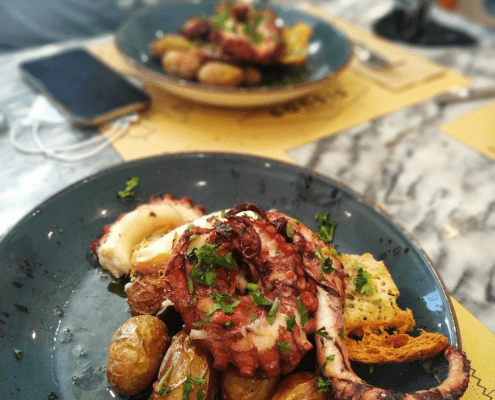 https://keepitlocaltours.com/wp-content/uploads/2025/09/polvo-portuguese-food-tour.png
1200
900
duarte
https://keepitlocaltours.com/wp-content/uploads/2023/04/Logo-Keep-It-Local-300x176.png
duarte2026-01-30 14:43:502026-01-30 14:43:50Tradicional Portuguese Food You Have to Try
https://keepitlocaltours.com/wp-content/uploads/2025/09/polvo-portuguese-food-tour.png
1200
900
duarte
https://keepitlocaltours.com/wp-content/uploads/2023/04/Logo-Keep-It-Local-300x176.png
duarte2026-01-30 14:43:502026-01-30 14:43:50Tradicional Portuguese Food You Have to Try https://keepitlocaltours.com/wp-content/uploads/2026/01/solo-traveler-portugal.jpg
960
640
duarte
https://keepitlocaltours.com/wp-content/uploads/2023/04/Logo-Keep-It-Local-300x176.png
duarte2026-01-27 18:05:122026-01-27 18:05:12Solo Travel in Portugal: The Ultimate Guide
https://keepitlocaltours.com/wp-content/uploads/2026/01/solo-traveler-portugal.jpg
960
640
duarte
https://keepitlocaltours.com/wp-content/uploads/2023/04/Logo-Keep-It-Local-300x176.png
duarte2026-01-27 18:05:122026-01-27 18:05:12Solo Travel in Portugal: The Ultimate Guide


